
THE ALPHABET OF CHILDREN’S RIGHT*

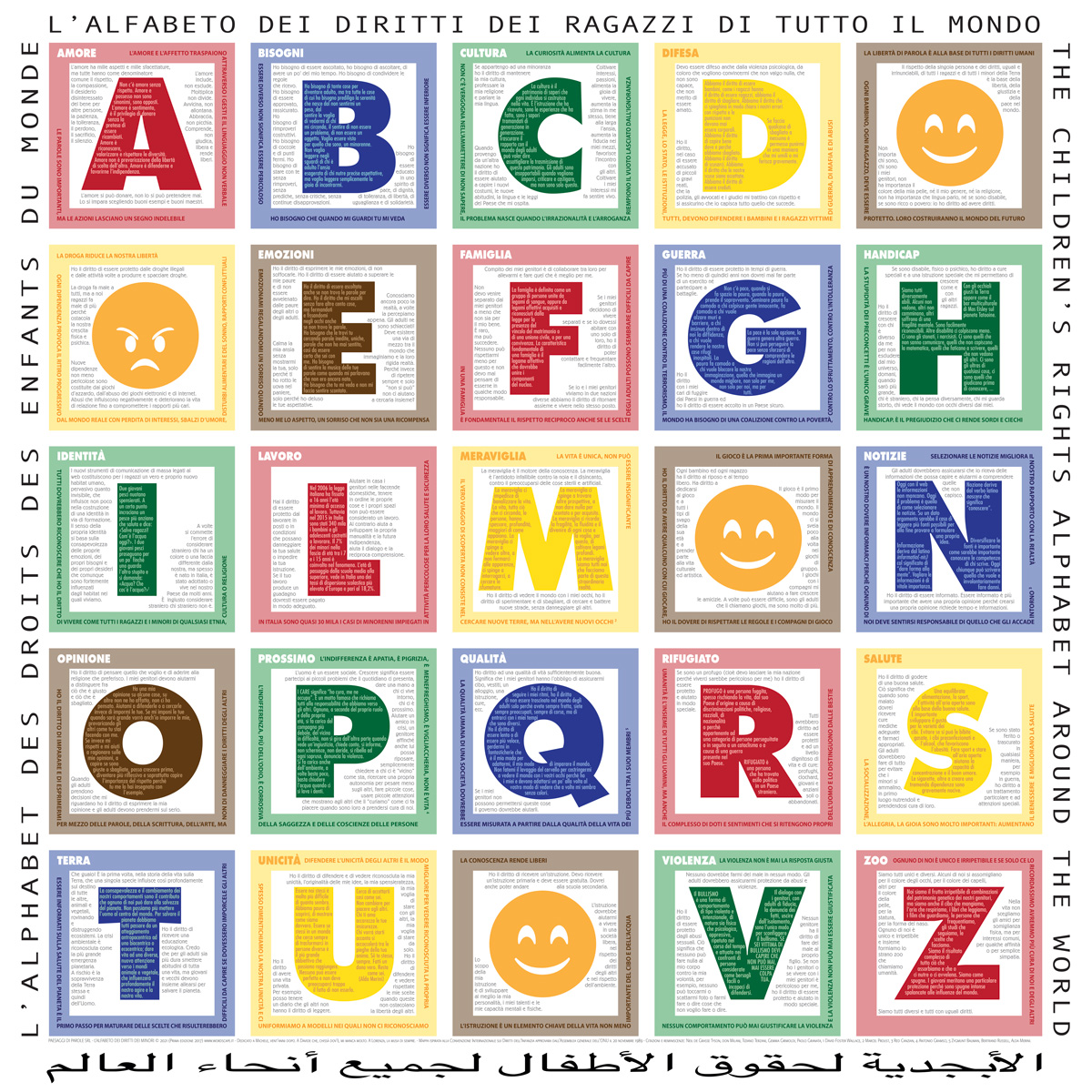
This map is inspired by the UN Convention on the Rights of the Child approved by the UN General Assembly on November 20, 1989. The ALPHABET is a free interpretation of the Convention, developed in alphabet form to help reading and promote its contents. The UN Convention on the Rights of the Child is a fundamental legal text: it recognizes all children and adolescents in the world as having civil, social, political, cultural and economic rights. It is a paradox that some rights still need to be remembered today, since they should be the natural heritage of every human being and every society.
AVAILABLE IN ITALIAN LANGUAGE

« The 30th anniversary of the United Nations Convention on the Rights of the Child approved by the United Nations General Assembly occurred on 20 November 2019. Since 1989, the Convention on the Rights of the Child has represented a legal text of exceptional importance because it recognizes the civil, social, political, cultural, and economic rights of all children and adolescents around the world. »

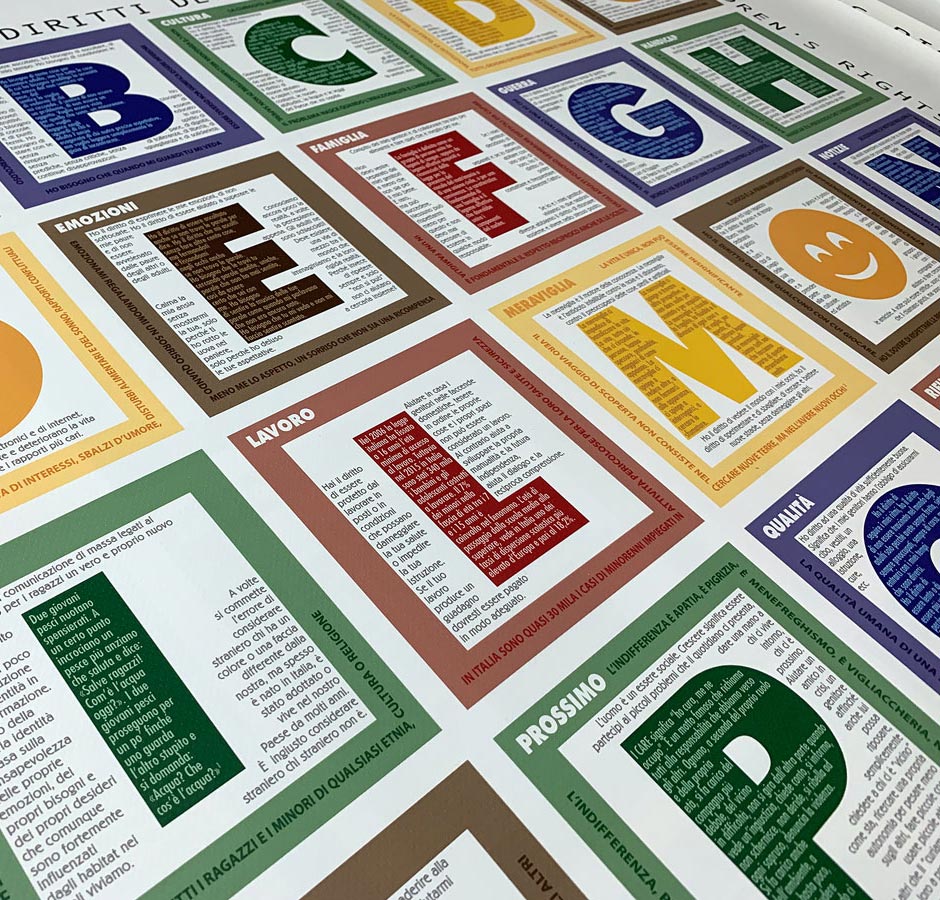
Since 1989, 196 countries in the world have committed themselves to respect and enforce on their territory the general principles and fundamental rights contained therein. The United States of America signed the treaty but never proceeded to ratify it. Italy ratified it by Law No. 176 of May 27, 1991. The Basic Principles of the Convention on the Rights of the Child are four:
1) Non-discrimination
(Article 2): the rights enshrined in the Convention shall be guaranteed to all children, without distinction as to race, sex, language, religion, opinion of the child/adolescent or of the parents.

DATA SHEET

"THE ALPHABET OF CHILDREN’S RIGHT"
Standard sizes
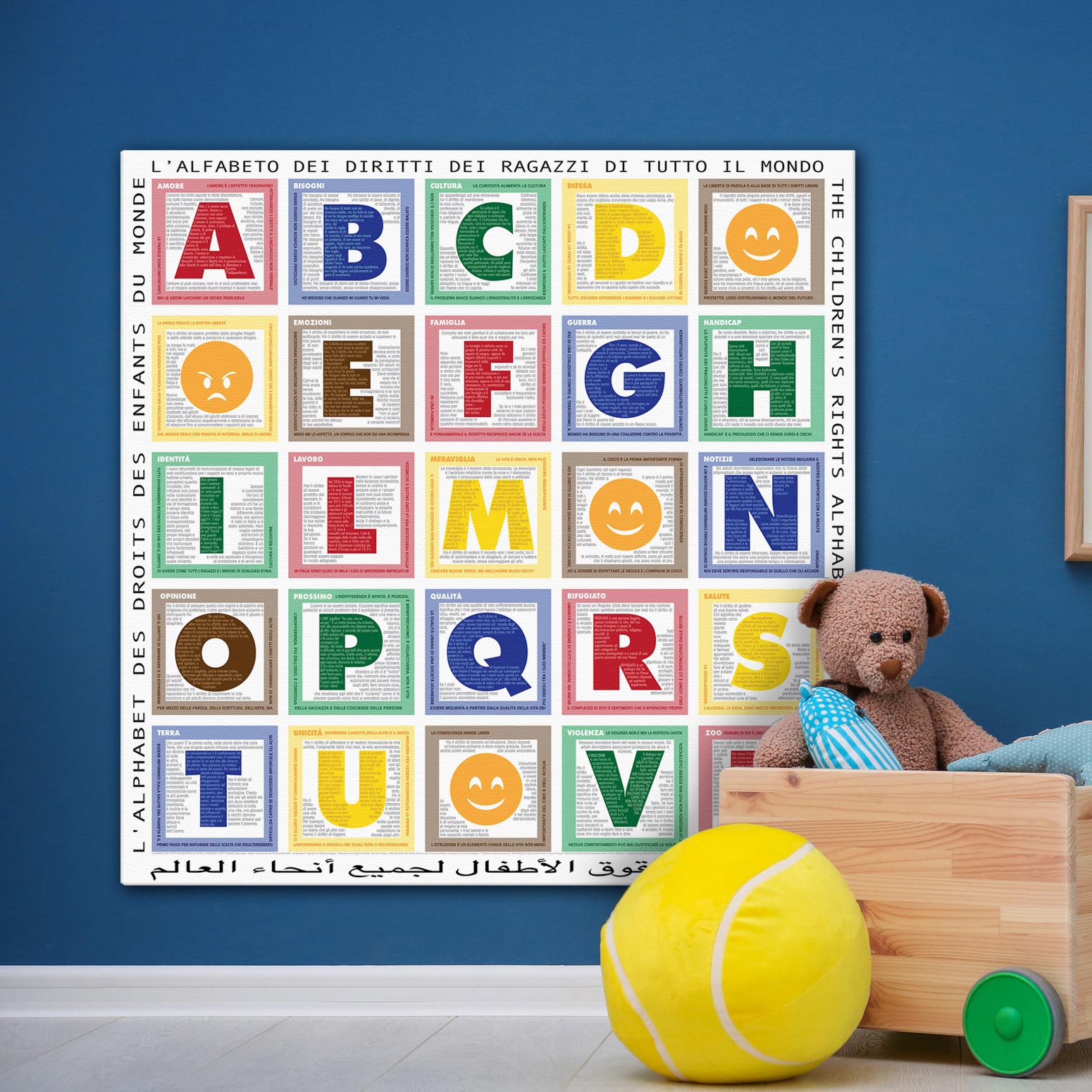
cm 80 x cm 80
cm 100 x cm 100
Customized sizes are available on request.
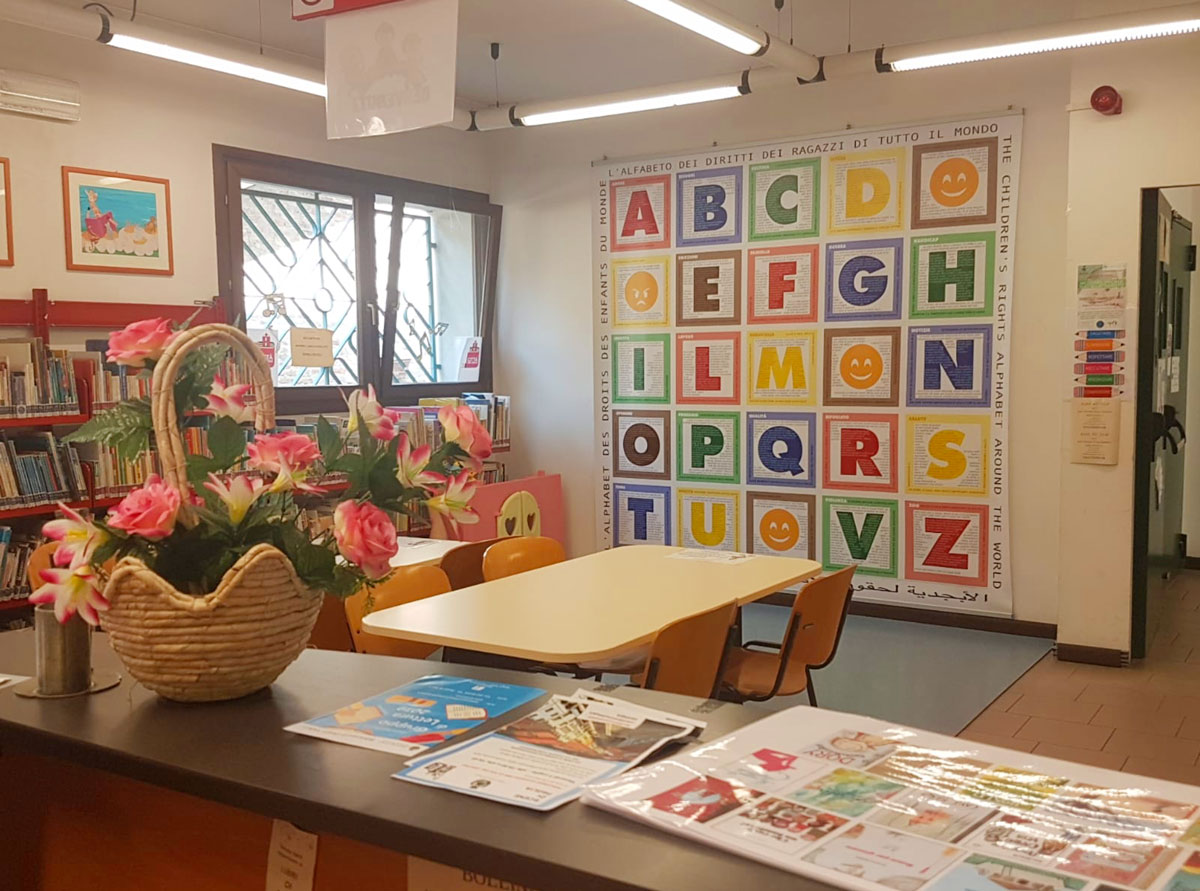
For the children's corner of a library, it was made in the 250 x 250 cm format (next photo).

VARIOUS AUTHOR

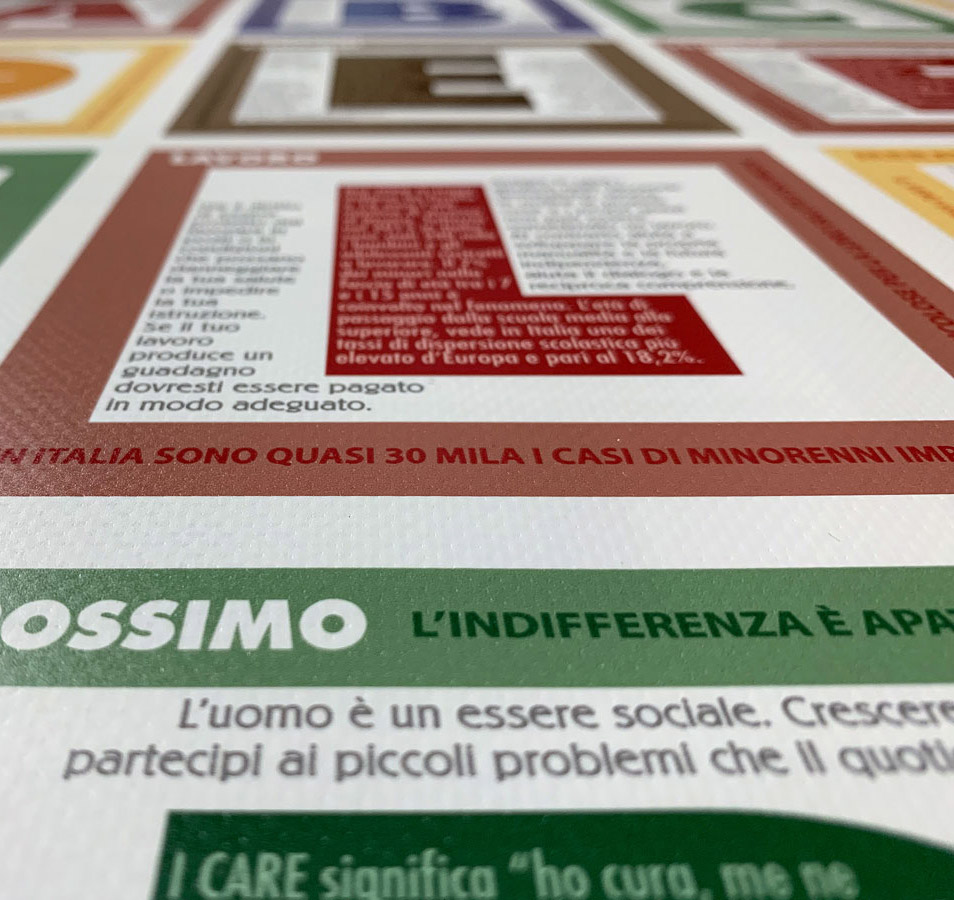
MADE IN COTTON OR PVC

"THE ALPHABET OF CHILDREN’S RIGHT" can be easily framed.

2) Best interest (art. 3): in every law, measure, public or private initiative, and in problematic situations, the interest of the child/adolescent must take priority.
3) Right to life, survival and development of the child and adolescent (art. 6): States must commit the maximum available resources to protect the life and healthy development of children, including through cooperation among states.
4) Listening to the views of the child (art. 12): provides for the right of children to be heard in all decision-making processes affecting them and the corresponding duty on adults to give appropriate consideration to their views.